
Introduction
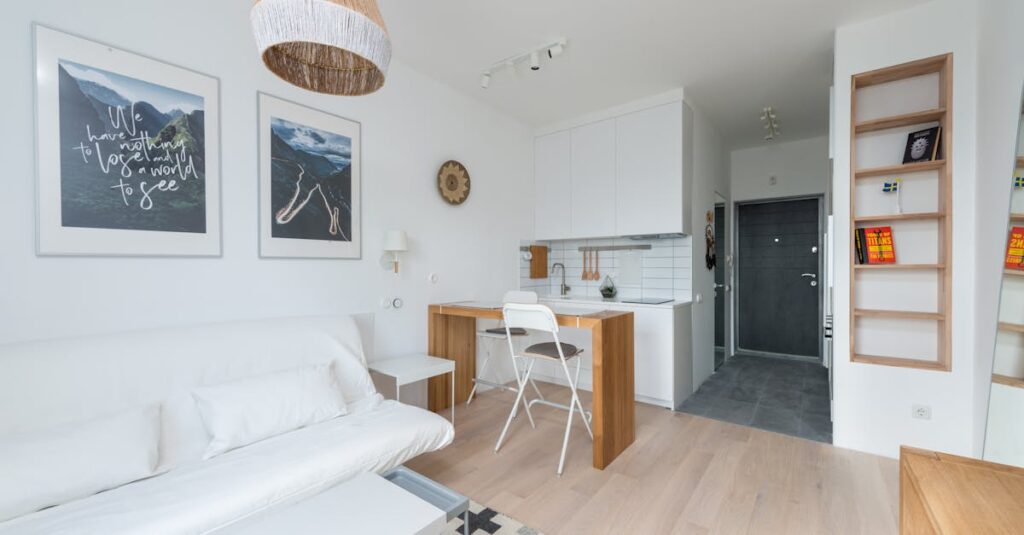
Living in a small space doesn’t have to feel like a constant game of Tetris. While downsizing might seem challenging at first, there are plenty of clever hacks that can turn any cramped apartment or studio into a functional and stylish home. Whether you’re renting a tiny flat in the city or dealing with limited square footage, smart design choices can help you maximize every inch of your space. Here are some practical and creative ideas to help you make the most out of your small space.
1. Embrace Multi-Functional Furniture
If you haven’t already invested in multi-functional furniture, now’s the time. These pieces can be lifesavers in small spaces where every square foot counts. Take, for example, a sofa bed. During the day, it’s your comfortable seating area, but by night, it effortlessly transforms into a cozy bed. Or consider a dining table that doubles as a desk or storage space. The beauty of multifunctional furniture lies in its ability to do double duty, giving you a lot of value for the limited space you have.
One of my favorite examples is a foldable dining table that attaches to the wall. It’s perfect for small kitchens or living rooms. When not in use, it folds away neatly, freeing up floor space for other activities. It’s these little tweaks that can make a huge difference in how much room you feel like you have.
Smart Storage Solutions
Don’t underestimate the power of creative storage. Shelves, storage bins, and clever closet organizers can turn a cluttered apartment into a more organized and efficient living space. For instance, under-bed storage is a great way to stash away items you don’t need daily, like extra bedding or seasonal clothes.
Another neat hack is using vertical space. Hanging baskets or wall-mounted shelves can store items like books, plants, or even kitchen essentials, all while keeping the floor clear. Plus, you can use clear containers to store smaller items like shoes, accessories, or toiletries. This keeps everything visible and easy to access while preventing unnecessary clutter from taking over your limited space.
2. Go Vertical with Your Design
When your space feels tight, you need to think upwards. Going vertical with your design, whether it’s through tall shelving units or hanging plants, can help you free up the ground space and draw the eye upward, creating the illusion of more room.
For instance, installing floor-to-ceiling shelves will give you ample space for books, knick-knacks, or even pantry items in the kitchen. In bedrooms, tall dressers can serve as a compact alternative to wide, bulky wardrobes. And don’t forget about your walls, hanging art or mirrors at eye level can create a sense of openness and height, making the space feel less boxed in.
Vertical Garden for Small Spaces
If you’re someone who loves plants but doesn’t have room for a full garden, going vertical is the perfect solution. Wall-mounted planters or a hanging herb garden can bring a refreshing touch of nature into your space without taking up valuable floor area. You can also use shelving to create a little green corner in your living room or balcony.
3. Maximize Natural Light
Light is a game-changer when it comes to making small spaces feel larger. Natural light can open up any room, making it feel airier and more inviting. If you’re lucky enough to have big windows, make sure they’re not blocked by heavy curtains or furniture. Opt for light, sheer curtains or blinds that let in as much sunlight as possible.
If your space lacks large windows, don’t fret. You can still create the illusion of light by using light-colored paint on the walls, especially whites, pale grays, or soft pastels. Mirrors are another great way to reflect light around the room and create a sense of depth. Place a large mirror near a window or opposite it to bounce sunlight throughout the space.
Light Fixtures That Work
Investing in a good light fixture can do wonders. Overhead lighting that’s too dim can make a room feel claustrophobic, so choose brighter, more functional lighting. Consider adding wall sconces or pendant lights for areas where you need focused lighting, such as above a dining table or kitchen counter. These options provide both style and practical illumination without taking up floor space.
4. Use Color to Your Advantage
Color plays a major role in making a space feel more expansive. While dark colors can make a room feel cozy, they also have a tendency to close it in. Lighter shades, on the other hand, tend to open up a room, making it feel larger and more breathable. Soft neutrals like whites, beiges, or light greys are excellent choices for walls and furniture.
Don’t be afraid to add some pops of color through accessories. Bright throw pillows, rugs, and artwork can bring personality to your small space without overwhelming it. Just remember to balance bold hues with neutral tones to keep the room feeling open and not too chaotic.
Use Reflective Surfaces
Reflective surfaces, such as glass, acrylic, or glossy finishes, can work wonders in a small room. These materials reflect light, which can make the space feel brighter and more open. A glass coffee table, for example, doesn’t block the visual flow of a room as a bulky wooden table would. Additionally, mirrored furniture or decor can make your space feel larger without adding physical bulk.
5. Create Defined Zones
In small spaces like studio apartments, it can be hard to separate living, dining, and sleeping areas. However, with a few strategic design tricks, you can create defined zones without building walls.
Consider using rugs to demarcate different areas. A rug under the couch can visually separate the living space from the dining area. You can also use furniture, like a bookshelf or an open divider, to subtly divide rooms while keeping the flow open. Another option is using curtains to section off your bedroom from the rest of the space when you need privacy.
6. Declutter Regularly
Even the best small space hacks won’t make much difference if your space is filled with clutter. Regularly decluttering your apartment is key to maintaining a comfortable, functional space. Try to avoid hoarding things you don’t need, and don’t be afraid to let go of items that aren’t serving a purpose anymore.
A great strategy is to apply the “one in, one out” rule. For every new item you bring into your home, get rid of something old. This helps keep things from piling up and ensures your space doesn’t get overrun by unnecessary items.
Conclusion
Living in a small space doesn’t mean you have to compromise on comfort or style. With a bit of creativity, the right furniture, and a thoughtful layout, you can make a small apartment feel like a spacious, well-organized oasis. Whether it’s through multi-functional furniture, smart storage solutions, or maximizing light, these small space living hacks can truly make a big difference. Remember, it’s all about making the most of what you’ve got, and with the right approach, your compact space can become a beautiful, functional home.
Ready to transform your tiny space? Start with one or two hacks, and watch how even the smallest changes can make a big impact!