
Introduction
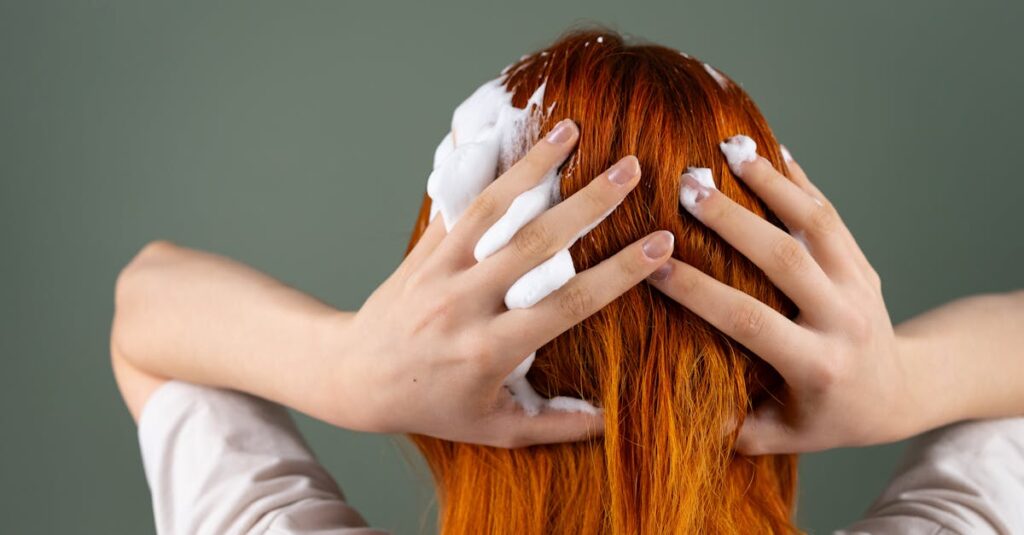
When it comes to hair care, we’re all guilty of following advice we’ve heard from friends, family, or influencers. After all, why wouldn’t we trust something that’s been passed down for generations or seen millions of likes online? But what if some of the most popular hair care tips are actually doing more harm than good? Yes, certain myths and misconceptions can seriously damage your scalp and even stunt hair growth. If you’ve ever found yourself googling ‘why is my scalp itchy after using dry shampoo?’ or ‘does washing my hair every day cause hair loss?’, you’re not alone.
The “Washing Every Day Is Bad” Myth
One of the most common myths is that washing your hair every day is damaging. This might seem true for people with dry or curly hair, but for others, it’s simply not the case. Our scalp produces oils that naturally coat hair strands, and for some people, this oil can build up quickly. So, if you’re prone to an oily scalp or you exercise regularly, washing your hair every day might be necessary. The real problem is using the wrong shampoo.
“But won’t washing every day dry out my hair?” Here’s the catch: using harsh shampoos or those loaded with sulfates can strip the scalp of natural oils, leaving it dry and irritated. This leads to an overproduction of oil, causing your hair to feel greasier than ever. Instead, choose a gentle, sulfate-free shampoo that cleanses without over-drying, or opt for a hydrating shampoo if you need extra moisture.
More Shampoo Equals Healthier Hair
We’ve all heard the idea that the more shampoo you use, the cleaner and healthier your hair will be. But guess what? Over-shampooing can do the opposite. Shampoo is designed to clean the hair and scalp, but if you use too much, you risk stripping your hair of its natural oils, which are vital for maintaining a healthy scalp.
When your scalp gets too dry, it can lead to irritation, flakiness, and even dandruff. This might sound counterintuitive, but using less shampoo actually gives your scalp a fighting chance to balance its oil production. A little goes a long way, and it’s all about finding the right balance for your scalp type.
Dry Shampoo Is a Miracle Fix
Dry shampoo has become a staple in many people’s routines, but is it as miraculous as we think? While it can temporarily freshen up your hair by absorbing excess oil, over-reliance on it can cause more problems than solutions. Dry shampoo can clog hair follicles if not properly washed out, leading to scalp buildup, irritation, or even hair loss in extreme cases. Imagine your scalp is a garden: dry shampoo is like the mulch. A little mulch here and there can help, but if you never clean up and let it pile up, your hair (aka your plants) won’t thrive.
If you use dry shampoo frequently, be sure to wash your hair with a clarifying shampoo every so often to prevent buildup. Your scalp will thank you.
Combing Hair When Wet Causes Breakage
There’s a lot of advice floating around about the dangers of brushing wet hair, and while it’s true that wet hair is more fragile, it doesn’t mean you should never comb it. In fact, combing wet hair can actually be beneficial if done gently.
When your hair is wet, it’s in its most vulnerable state. But the key here is the type of brush or comb you use. Opt for a wide-tooth comb or a detangling brush specifically designed for wet hair. Start at the ends and work your way up slowly, rather than pulling through tangles from the root. This reduces the risk of breakage while keeping your hair smooth and detangled.
Frequent Trims Lead to Faster Hair Growth
This one’s a bit tricky. You’ve probably heard that trimming your hair every 6 to 8 weeks will make it grow faster. But here’s the thing: trimming doesn’t actually speed up hair growth. Your hair growth happens at the scalp level, and no amount of trimming will change that. So why do haircuts seem to make hair grow faster?
The real reason is that trimming split ends prevents hair from breaking and splitting further. If you keep your hair healthy and free from split ends, you’ll be able to grow longer hair without worrying about breakage. But don’t expect a miracle just because you’re sticking to a regular trim schedule. Hair grows at its own pace, whether you cut it or not.
More Heat Equals Sleek, Shiny Hair
We’ve all seen the “perfectly styled” Instagram photos with glossy, smooth hair, and while hot tools like straighteners and curling irons can help you achieve a flawless look, they’re often a double-edged sword. Excessive heat styling can damage the hair shaft, leading to dryness, split ends, and even heat-induced breakage.
If you can’t give up your styling tools, make sure you’re using a heat protectant spray beforehand. And remember: it’s not just about the heat setting you use, but the frequency of use. The less you heat-style, the better your hair will feel in the long run.
Conclusion: Rethink Your Routine
As tempting as it is to follow the latest hair care trends or stick with age-old myths, sometimes the best thing you can do for your scalp is to rethink your routine. Your scalp is the foundation for healthy hair, and taking care of it means understanding that no one-size-fits-all solution exists.
By challenging the myths and misconceptions that dominate the hair care world, you can make more informed decisions that benefit both your hair and scalp health. Whether it’s washing your hair more frequently or ditching the daily use of dry shampoo, taking a more balanced approach will ultimately give your scalp the care it deserves.
So the next time you hear someone swearing by a “must-do” hair care tip, take a moment to consider: Does it actually work for me? And if you’re ever in doubt, remember this, your scalp, like the rest of your body, thrives on balance and care, not extremes.