
Introduction
Parenting is a journey full of twists and turns, filled with moments of joy, frustration, confusion, and wonder. One of the most exciting aspects of raising a child is watching them grow and develop. But let’s face it, sometimes it can feel overwhelming trying to figure out what’s ‘normal’ at each stage. How do you know if your baby is hitting the right milestones? Or if your toddler’s temper tantrums are just a phase?
The truth is, every child is different. However, understanding the general stages of child development can give you a better sense of what to expect and how to support your child’s growth at every step. So, let’s break down the key stages of child development that every parent should know, and remember, you’re doing great!
Infancy: The First Year
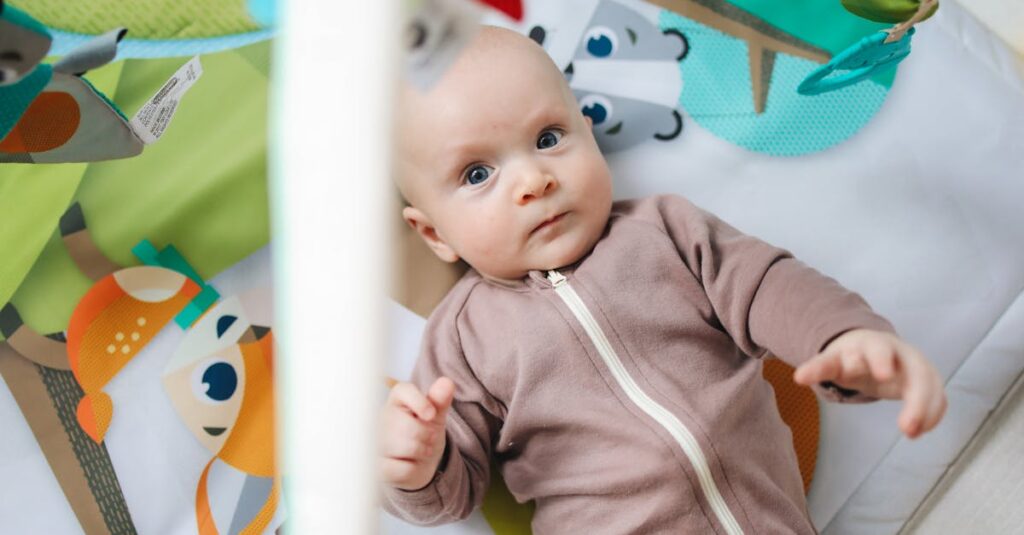
The first year of life is a whirlwind of changes. Your baby starts off as a tiny, helpless newborn who needs constant care, but before you know it, they’re sitting up, babbling, and starting to show signs of their personality.
Physical Development
During the first year, babies grow rapidly. In the first few months, their reflexes are mostly involuntary, think of that adorable “startle” reaction when they feel like they’re falling. By six months, your little one will probably be able to sit up with minimal support. Around 9 months, many babies begin crawling, which opens up a whole new world of exploration.
Cognitive and Emotional Development
It’s amazing how quickly babies begin to make sense of the world. They’ll start recognizing familiar faces, objects, and even simple routines. At around 6 months, babies develop a concept known as “object permanence,” meaning they realize things exist even when they’re out of sight. So, yes, when you hide your face behind a blanket and they start giggling, they know you’re still there!
Emotionally, babies are very responsive to their caregivers. They start forming attachments by about 3-4 months, and by the end of the year, your baby will probably have a strong preference for familiar faces and voices.
Toddlerhood: 1 to 3 Years
Ah, the toddler years, those wild, energetic, and often unpredictable days. Your child is no longer a baby, but they’re still learning how to navigate the world around them.
Physical Development
During these years, toddlers develop more refined motor skills. By 18 months, many children can walk confidently, and by age 2, they’re likely to start running, climbing, and engaging in more physical play. They’ll also become more independent in tasks like feeding themselves and using a spoon.
Cognitive and Emotional Development
This is the stage when language development really takes off. Your toddler will go from babbling to saying their first words, usually by around 12 months. By age 2, they’re often combining words into short phrases like “want cookie” or “go park.”
Emotionally, toddlers can be a rollercoaster. One minute, they’re cuddling with you, and the next, they’re throwing themselves on the floor in frustration. This is when tantrums tend to start, as toddlers begin to experience big emotions but lack the words to express them. Patience is key here, those tantrums are a sign of your child’s emotional growth, even if they’re exhausting for you.
Preschool Age: 3 to 5 Years
As your child enters the preschool years, they begin to develop more complex skills and expand their social world. The pace of growth slows down a bit, but this is a crucial time for laying the foundation for things like independence, social skills, and early learning.
Physical Development
At this stage, children continue to refine their motor skills. They can now run, jump, and even balance on one foot. Fine motor skills also improve, meaning they’re more capable of tasks like drawing simple shapes, dressing themselves, and using scissors (with supervision, of course!).
Cognitive and Emotional Development
Preschoolers are full of curiosity. They ask “Why?” about everything, and their imagination is at an all-time high. You might find yourself in deep discussions about why the sky is blue or why some animals live in the ocean while others live on land.
Emotionally, your preschooler is becoming more aware of their own feelings and the feelings of others. They may begin to form deeper friendships with other children, and this is when many kids start to learn about sharing and taking turns, skills that will serve them well later on in life.
Elementary School: 6 to 12 Years
The elementary school years are all about building skills and independence. Your child’s body and mind are becoming more sophisticated, and they’re starting to test out their place in the wider world.
Physical Development
By now, kids have a good handle on gross motor skills, like running, hopping, and playing organized sports. Fine motor skills are also more advanced, your child can write, draw, and cut with greater precision. Around age 7 or 8, some children also start to experience their first growth spurt, which may make them feel a bit clumsy as they adjust to their changing body.
Cognitive and Emotional Development
Elementary schoolers are growing in their ability to think logically. They begin to understand cause and effect more clearly and can engage in more complex problem-solving. They also develop a better understanding of the world beyond their immediate environment, including abstract concepts like time and space.
Emotionally, this stage is all about friendships. Your child will begin to form close, lasting relationships with peers, which helps them develop social skills like empathy, cooperation, and conflict resolution. They may also become more self-conscious as they start to care about fitting in and being accepted by their peers.
Adolescence: 13 to 18 Years
Ah, adolescence. The teenage years are a time of rapid physical, emotional, and cognitive development. Your child is no longer a child but not yet an adult. The transition can be a rocky one, but it’s also one of the most rewarding as you see them become their own person.
Physical Development
This is the stage where puberty hits, and your child’s body undergoes significant changes. Growth spurts, changes in body composition, and sexual maturation all take place during these years. It’s a time of heightened energy, but also of physical awkwardness as they adjust to their new bodies.
Cognitive and Emotional Development
Teens are developing the ability to think abstractly, reason logically, and consider multiple perspectives. They’re also forming a stronger sense of identity, which can lead to some interesting (and sometimes frustrating) conversations about values, independence, and their place in the world.
Emotionally, adolescence can be a rollercoaster ride. Teenagers experience intense emotions but often struggle to regulate them, which can lead to mood swings and, at times, strained relationships with parents. This is a time for patience, understanding, and open communication. Your teen needs your guidance, but they also need space to explore who they are becoming.
Conclusion
Raising a child is one of the most challenging and rewarding experiences you’ll ever have. By understanding the typical stages of child development, you can better navigate the ups and downs of parenting. But remember, no child is exactly the same, and the timeline for reaching each milestone can vary widely. The most important thing is to support your child’s growth, be patient with their challenges, and celebrate their progress every step of the way.
So, whether you’re in the baby stage, the toddler years, or dealing with a teenager’s latest mood swing, take a deep breath and know that you’re doing great. Growth may not always be linear, but it’s always happening.